Professional Sharps Disposal Container for Estheticians
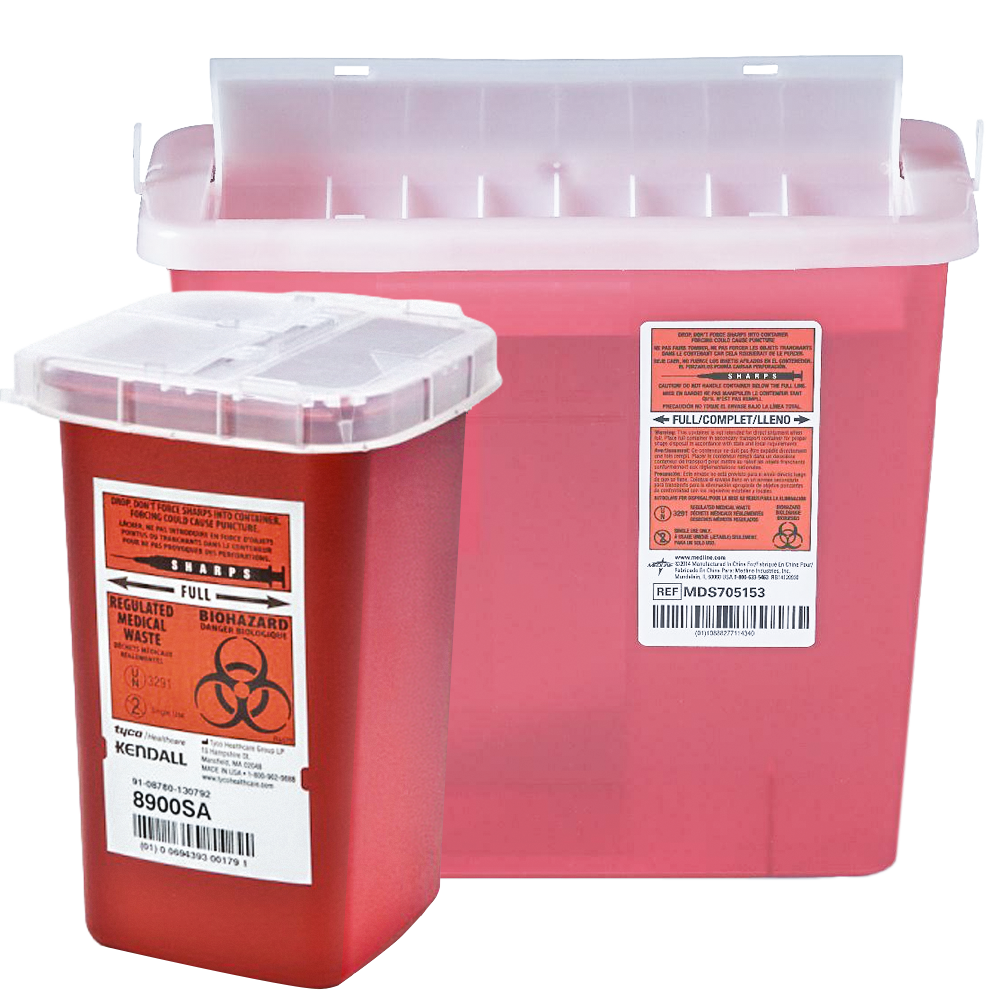
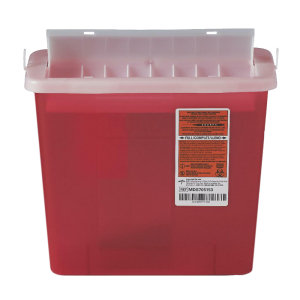
A Professional Sharps Disposal Container is an essential safety product for estheticians, skincare professionals, instructors, students, spas, and clinics that perform services involving disposable sharp instruments. Used dermaplaning blades, scalpel blades, and extraction lancets require appropriate handling and disposal to help protect the professional, client, students, and others working within the treatment environment.
Professional esthetic services can involve different types of sharps. Dermaplaning requires a sterile, single-use blade attached to a scalpel handle, while some estheticians may use sterile, single-use lancets during professional extraction procedures when permitted within their state scope of practice. Once used, these instruments remain sharp and require an established disposal procedure.
Sharps Disposal for Dermaplaning Blades and Esthetic Lancets
A used dermaplaning blade or lancet should never be left exposed on a treatment tray, towel, countertop, or workstation after a procedure. Having a designated sharps disposal container within the treatment area provides an appropriate location for immediate containment of used sharps.
For dermaplaning, a blade remover may first be used to release the blade from the reusable #3 scalpel handle. The used blade can then be placed into the appropriate sharps container according to professional procedures.
For estheticians legally permitted to perform extractions using a lancet, the same principle applies: a used lancet is a single-use sharp and requires appropriate containment and disposal after the procedure.
The specific services estheticians may perform vary by state. Always verify whether lancet use and the extraction technique being performed are permitted under your state’s current esthetics scope-of-practice requirements.
Make Sharps Safety Part of the Treatment Setup
Safe disposal should be planned before the treatment begins. Professionals should know where the sharps container is located and how the used instrument will be handled before opening a sterile blade or lancet.
A simple professional workflow can include:
Prepare → Perform Treatment → Remove or Secure the Used Sharp → Dispose into the Designated Sharps Container
Keeping the container conveniently accessible can reduce unnecessary handling or movement through the treatment room with an exposed sharp.
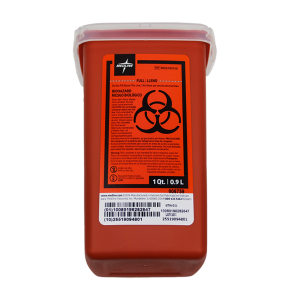
The container should remain upright and should not be filled beyond its indicated fill line. Follow the container manufacturer’s instructions for use, closure, storage, and handling.
An Important Part of Esthetics Education
Sharps safety should be incorporated into professional education whenever students are learning a procedure involving a sharp instrument.
During dermaplaning education, students concentrate on skills such as blade attachment, grip, skin tension, blade angle, pressure, treatment direction, and safe blade removal. Proper sharps disposal should be taught as part of that same procedure.
When lancet extractions are permitted within the student’s jurisdiction and curriculum, education should also include appropriate handling and immediate disposal of the used lancet.
Learning these procedures during training helps students understand that professional technique does not end when the visible treatment is finished. Instrument handling and disposal are part of completing the service correctly.
5 Sharps Safety Facts Every Esthetician Should Know
Fact #1 Do You Know Which Sharps You Use in Your Practice?
Dermaplaning blades, extraction lancets, microneedling needle cartridges, and other skin-penetrating devices may require specific handling and disposal procedures. It is the professional’s responsibility to understand how each item used in the treatment room must be handled after use.
Fact #2 Do You Know Your State’s Scope of Practice?
A product being available for professional purchase does not automatically mean an esthetician is permitted to use it. Regulations concerning lancets, microneedling, dermaplaning, and other procedures that penetrate or abrade the skin vary by state and license type. Verify your current state board and regulatory requirements before offering a service.
Fact #3 Do You Understand OSHA Sharps and Bloodborne-Pathogen Requirements?
Professionals and employers should understand which OSHA requirements apply to their workplace, particularly when there is potential exposure to blood or other potentially infectious materials. Sharps safety should be part of an established infection-control procedure—not something decided after an exposure occurs.
Fact #4 Sharps Containers and Gloves Work Together—But Serve Different Purposes
Appropriate disposable gloves and an approved sharps container should be readily available when performing procedures involving sharps. Gloves provide a protective barrier during the service and handling process, while the sharps container provides puncture-resistant containment for used blades, lancets, and applicable needles. Gloves themselves do not belong in the sharps container unless required because of the circumstances and applicable waste rules; dispose of gloves according to your facility’s exposure-control and regulated-waste procedures.
Fact #5 Do You Know What Happens When Your Sharps Container Is Full?
Do not wait until the container reaches its fill line to investigate disposal. Know in advance when to close it, where it can be stored, who is authorized to collect it, and what state and local disposal requirements apply to your practice. Never overfill a sharps container.
Professional Responsibility: Every esthetician should be able to answer three questions before performing a service involving a sharp: Am I legally permitted to perform this procedure? What OSHA/workplace requirements apply? How will I safely dispose of the sharp when I am finished?
Know Your State’s Rules for Esthetic Sharps
Regulations can vary significantly by location. Estheticians should verify both what procedures they are legally permitted to perform and how the resulting sharps must be handled and disposed of.
This is particularly important with lancets. The fact that a lancet is available as an esthetic supply does not automatically mean its use is permitted under every esthetician license or in every state.
Requirements for sharps collection, storage, transportation, and final disposal may also differ according to state and local regulations, workplace requirements, licensing rules, and practice setting.
Independent estheticians, spa owners, instructors, and skincare professionals should establish their sharps-disposal procedure based on the requirements that apply specifically to their location and business.
Professional Sharps Safety from Treatment to Disposal
Whether performing dermaplaning with a single-use scalpel blade or an extraction using a sterile lancet where legally permitted, the professional is responsible for considering the entire lifecycle of the sharp instrument.
That means planning for safe use, minimizing unnecessary handling after the procedure, placing the used sharp into the appropriate professional sharps disposal container, and following applicable requirements for final disposal.
A sharps container may be a simple piece of treatment-room equipment, but it plays an important role in creating an organized and responsible professional esthetic practice.
Professional Safety Tip: Do not wait until your sharps container reaches its fill line to determine what to do with it. Know your state and local disposal requirements, establish a disposal procedure for your practice, and replace the container according to its instructions.


 Store Locator
 English
 Spanish


Reviews
There are no reviews yet.