Microdermabrasion Compressed Air for Professional Equipment Maintenance
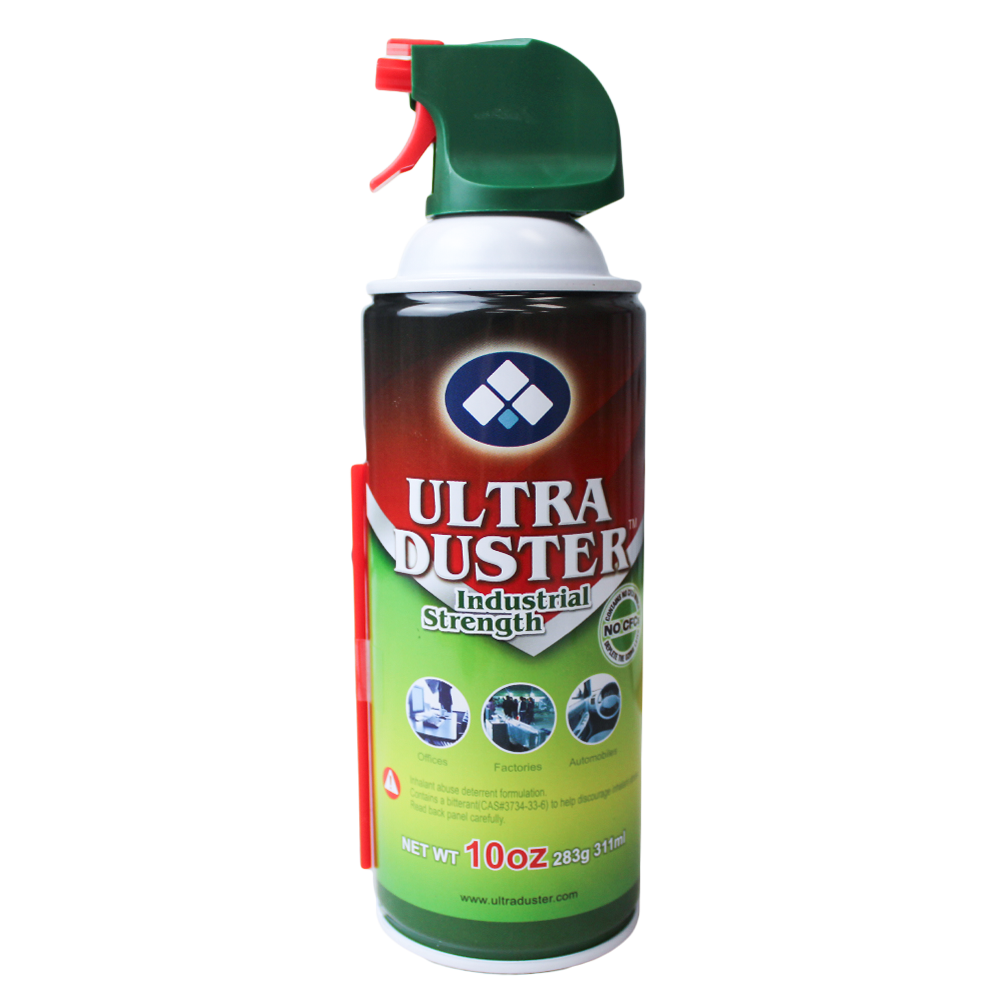
Microdermabrasion Compressed Air is an essential maintenance supply for professional estheticians using crystal and organic grain microdermabrasion machines. Regular cleaning helps remove accumulated exfoliating material, fine particles and treatment debris from designated filtration components, tubing and accessible machine surfaces.
Professional microdermabrasion equipment depends on consistent airflow, proper vacuum and unrestricted crystal or organic grain movement. When debris accumulates in the Gray Foam Filters, sipper tube or agitator tube, machine performance can become inconsistent, affecting the delivery of exfoliating material through the handpiece.
Establishing a regular compressed-air cleaning routine is one of the simplest ways to support reliable equipment operation and reduce unnecessary maintenance problems.
Clean Gray Foam Filters After Every Microdermabrasion Treatment
The Gray Foam Filter plays an important role in collecting fine crystal particles, organic grain material and treatment debris before they travel farther into the machine’s filtration system.
Skin for Life recommends cleaning the Gray Foam Filter after every microdermabrasion treatment and discarding it after 10 treatments.
Using compressed air according to the equipment’s maintenance instructions helps remove loose particles that accumulate within the foam. This regular cleaning supports airflow and reduces excessive buildup between treatments.
After 10 treatments, discard the used foam filter and install a new replacement. A filter should also be replaced sooner if it becomes damaged, deteriorated or excessively loaded with debris.
Maintaining this schedule helps estheticians avoid operating their equipment with filters that may restrict vacuum performance.
Clean the Sipper Tube to Maintain Consistent Crystal Flow
The sipper tube is responsible for picking up aluminum oxide crystals or natural organic grains from the canister so they can travel through the microdermabrasion system.
Over time, fine particles may accumulate inside or around the tube, restricting the movement of exfoliating material.
Compressed air can help remove loose crystal or grain buildup from the sipper tube during routine maintenance.
Keeping the tube clear supports more consistent material pickup and delivery, reducing interruptions caused by accumulated debris.
Maintain the Agitator Tube to Reduce Crystal Accumulation
The agitator tube is another important component of the crystal and organic grain delivery system. Its function contributes to the movement and agitation of exfoliating material within the canister.
When fine particles accumulate around the agitator tube, material movement can become less consistent.
Regular inspection and appropriate compressed-air cleaning help remove loose buildup and maintain the intended movement of crystals or grains.
Both the sipper tube and agitator tube should be included in routine equipment maintenance, especially when switching between aluminum oxide crystals and natural organic grains.
Keep Canisters and Machine Surfaces Free from Debris
Compressed air can also be useful for removing loose particles from designated canister components and accessible equipment surfaces.
Crystal dust and organic grain residue can accumulate around canister connections, threads and surrounding areas during regular use.
Before reassembling the machine, inspect the canister seals, bottle stoppers, hoses and connections to make sure they are clean, properly positioned and free from debris that could interfere with a secure fit.
If a canister is washed, allow it to dry completely before reinstalling it. Moisture within the system can interfere with the movement of crystals and organic grains.
Preventive Cleaning Helps Protect Vacuum Performance
Poor microdermabrasion performance does not always indicate a motor problem. Dirty foam filters, restricted tubing, accumulated crystals or improperly sealed canisters can all contribute to changes in airflow and suction.
Regular compressed-air maintenance helps estheticians address these potential problems before they interfere with professional treatments.
For best results, establish a maintenance routine:
- After every treatment: Clean the Gray Foam Filter using the approved compressed-air procedure.
- After 10 treatments: Discard the Gray Foam Filter and install a new replacement.
- During routine maintenance: Inspect and clear loose buildup from the sipper tube and agitator tube.
- When changing exfoliating materials: Inspect the canister and tubing for residual crystals or organic grains.
- Before operating the machine: Confirm that canisters, seals, hoses and connections are properly secured.
Small Maintenance Habits Support Long-Term Equipment Performance
Professional microdermabrasion machines are an investment. Keeping filters clean, replacing them on schedule and preventing crystal or organic grain accumulation within the delivery system can help reduce avoidable equipment problems.
Microdermabrasion Compressed Air gives estheticians a practical tool for maintaining filtration components and designated equipment surfaces as part of a consistent preventive-maintenance program.
Professional Maintenance Tip: Always turn off and disconnect the machine before cleaning. Use compressed air only on components approved for this method, follow the product’s safety instructions, and direct loosened debris away from the machine’s internal openings. Do not use compressed air on skin or to clean components while the equipment is operating.
Clean after every treatment. Replace foam filters after 10 treatments. Keep crystal and organic grain pathways clear.
5 Microdermabrasion Maintenance Facts That Can Help Estheticians Reduce Service Costs
Fact #1 Clean Gray Foam Filters After Every Treatment
Crystal dust, organic grains and skin debris accumulate during microdermabrasion treatments. Cleaning the Gray Foam Filter with approved compressed air after each treatment helps maintain proper airflow and vacuum performance, reducing problems caused by neglected filtration.
Fact #2 Replace Gray Foam Filters After 10 Treatments
Cleaning does not make a foam filter reusable indefinitely. Discard the Gray Foam Filter after 10 treatments, or sooner if damaged or excessively soiled. Regular replacement helps prevent restricted airflow and unnecessary strain on the vacuum system.
Fact #3 Keep Sipper and Agitator Tubes Free from Crystal Buildup
Accumulated crystals or organic grains can interfere with material pickup and delivery. Routine inspection and approved compressed-air cleaning help keep the sipper tube and agitator tube clear, reducing avoidable crystal-flow problems and service calls.
Fact #4 Poor Maintenance Can Be Mistaken for Motor Failure
Reduced suction does not automatically mean the motor needs repair. Dirty filters, blocked tubing, loose canister connections and worn seals can cause similar symptoms. Inspect these components before requesting professional equipment service.
Fact #5 Preventive Maintenance Costs Less Than Avoidable Repairs
A consistent maintenance schedule can help reduce unnecessary service fees, shipping expenses and treatment-room downtime. Keeping compressed air, replacement foam filters and other maintenance supplies available helps estheticians address minor problems before they become costly interruptions.
Professional Maintenance Takeaway: A few minutes of equipment care after each treatment can help protect years of machine performance. Clean filters, clear tubing and secure connections are essential to maintaining your microdermabrasion investment.



 Store Locator
 English
 Spanish




Reviews
There are no reviews yet.